
Smart Fix Home
Unlock Energy Savings with Simple Tips
Learn how to improve your home's energy efficiency. Our guide offers practical steps that anyone can follow to save money and energy.
- Updated for 2026
- Independent, hands-on research
- Reader-first reviews
- Transparent affiliate disclosure
Last updated:
Energy efficiency is essential for reducing your monthly bills and minimizing your environmental impact. This guide provides you with practical tips that are easy to implement in any home. Whether you're a homeowner or a renter, you can make meaningful changes to boost your energy efficiency.
What you’ll get here
- Easy energy-saving tips
- Step-by-step guides
- Common pitfalls to avoid
- Expert advice for beginners
- Ways to track your savings
How to start (simple plan)
This section focuses on energy efficiency tips.
Start by conducting a simple energy audit of your home. Check for drafts around windows and doors, and consider adding weather stripping to seal gaps. Replace traditional bulbs with energy-efficient LED lights to save electricity. One common mistake is ignoring appliance settings; ensure your refrigerator is set to the correct temperature and unplug devices when not in use. Tracking your energy consumption with a simple app can help you identify further savings.
⚡ Quick Picks
Three strong options to start with. Pick one that matches your goal, then jump to the guides below.

Energy Efficiency Guidebook
This comprehensive guide covers home energy audits, efficient lighting options, insulation techniques, and daily habits to help reduce utility bills. It provides practical tips and strategies for improving energy efficiency in your home.

Insulate and Weatherize Guide
This guide from Taunton provides practical advice on insulating and weatherizing your home. It covers various techniques and materials to enhance energy efficiency.

Smart Energy Solutions Guide
This guide features 51 practical tips for saving energy in homes, businesses, and industries. It provides actionable insights aimed at improving energy efficiency.
Explore reliable tools to enhance your DIY projects and home renovations.
Choose Your Next Step
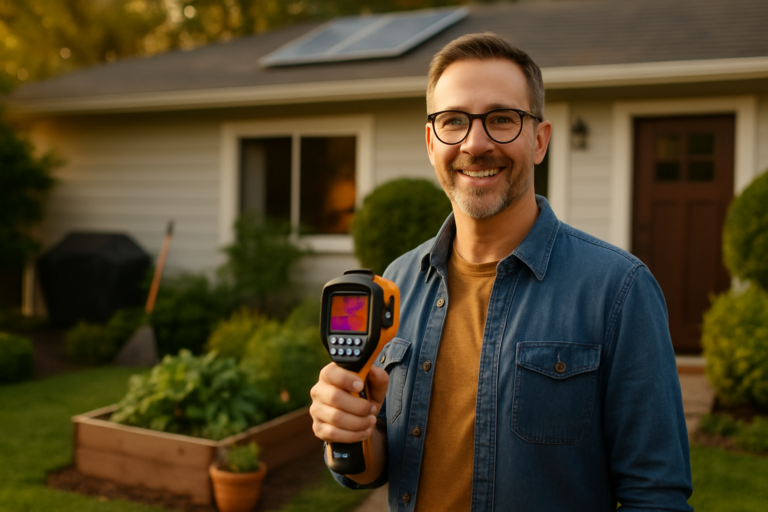
Home Energy Audits
Learn how to assess your home's energy use.

Essential DIY Tools
Tools to help with energy efficiency projects.

Smart Home Innovations
Explore smart devices that save energy.
Pick the Right Path Fast
- If you want: Learn how to assess your home's energy use. Start with: Home Energy Audits →
- If you want: Tools to help with energy efficiency projects. Start with: Essential DIY Tools →
- If you want: Explore smart devices that save energy. Start with: Smart Home Innovations →
Latest Guides
New guides are on the way — check back soon.
Our honest take
What we like
- Practical, easy-to-follow guides.
- Real user feedback for better choices.
- Wide range of topics covered.
- Supports a variety of DIY projects.
Things to consider
- Not all products may suit every project.
- Some guides may require prior knowledge.
How We Choose & Recommend
Short, practical guidance first—then product picks when you are ready.
- We compare features and real-world use cases for Energy Efficiency Tips.
- We scan user feedback for patterns (not one-off opinions).
- We call out trade-offs so you can pick confidently.
Your Safety Matters
Always follow safety guidelines when working on DIY projects. Ensure you have the right tools and understand the processes involved. Consult a relevant qualified professional if you're unsure about any task.
For complex projects, consider seeking professional advice.
FAQ
What are the benefits of energy-efficient appliances?
Energy-efficient appliances consume less power, which translates to lower utility bills. They also often have a longer lifespan than standard appliances, making them a worthwhile investment. Look for the Energy Star label to ensure you're choosing efficient models. If you’re not sure what to do next, compare your situation to a real example, then follow the closest match. This reduces mistakes and saves time.
How can I identify drafts in my home?
To find drafts, conduct a simple test using a candle or incense stick. Move it around windows and doors; if the flame flickers, you have a draft. Sealing these gaps with weather stripping or caulk can significantly improve your home’s energy efficiency.
What is the best way to insulate my attic?
For attic insulation, consider using fiberglass batts or spray foam insulation. Ensure that you cover all areas, including around vents and pipes, to prevent heat loss. Proper insulation can reduce heating costs in winter and cooling costs in summer. For best results, focus on the one or two factors that change the outcome most (environment, settings, fit, or technique). Small adjustments here beat big changes elsewhere.
How do smart thermostats save energy?
Smart thermostats learn your schedule and adjust heating or cooling accordingly. They can be controlled remotely, allowing you to optimize energy use even when you're not home. Many models provide energy usage reports, helping you track savings over time. For best results, focus on the one or two factors that change the outcome most (environment, settings, fit, or technique). Small adjustments here beat big changes elsewhere.
What should I look for when buying LED bulbs?
When selecting LED bulbs, check for the lumens rating to ensure brightness and the color temperature for desired light quality. Look for bulbs with a long lifespan and warranty, as these can provide better value and performance in the long run.
🌿 Our Top 3 Home Improvement Tools
Energy Efficiency Guidebook
This comprehensive guide covers home energy audits, efficient lighting options, insulation techniques, and daily habits to help reduce utility bills. It provides practical tips and strategies for improving energy efficiency in your home.
Insulate and Weatherize Guide
This guide from Taunton provides practical advice on insulating and weatherizing your home. It covers various techniques and materials to enhance energy efficiency.
Smart Energy Solutions Guide
This guide features 51 practical tips for saving energy in homes, businesses, and industries. It provides actionable insights aimed at improving energy efficiency.
Explore reliable tools to enhance your DIY projects and home renovations.