
Smart Fix Home
Transform Your Garden with Simple Improvement Ideas
Unlock the potential of your outdoor space. Our guide offers easy steps to enhance your garden and enjoy your surroundings.
- Updated for 2026
- Independent, hands-on research
- Reader-first reviews
- Transparent affiliate disclosure
Last updated:
Gardening can be a rewarding hobby that beautifies your home and provides a relaxing space. Whether you are a beginner or looking to enhance your existing garden, this guide is here to help you explore various improvement ideas. From selecting the right plants to adding decorative features, you’ll find practical tips to make your garden thrive.
Let’s dive into simple yet effective ways to elevate your garden and create an inviting outdoor oasis.
What you’ll get here
- Easy garden improvement tips
- Plant selection advice
- Decorative feature ideas
How to start (simple plan)
This section focuses on garden improvement ideas.
Start by assessing your garden's current state. Identify areas that lack color or structure, and think about what changes you want to see. A good beginner project is creating a flower bed with a mix of perennials and annuals for continuous blooms. Avoid overcrowding plants; give them space to grow and thrive. Another great idea is to add a small seating area, using patio furniture or a simple bench, to enjoy your garden.
Common mistakes include not considering sunlight exposure when placing plants and neglecting soil health. Ensure you know each plant's light requirements and enrich your soil with compost for better growth.
⚡ Quick Picks
Three strong options to start with. Pick one that matches your goal, then jump to the guides below.
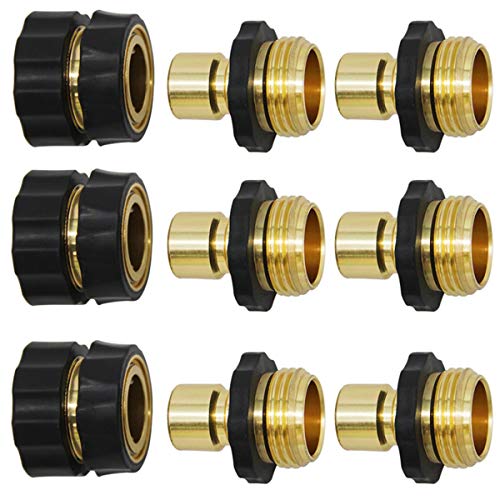
Triumpeek Garden Hose Connector Set
This set includes 9 pieces of 3/4" garden hose quick connect fittings, designed for easy connection and disconnection with standard garden hoses. The connectors feature both male and female fittings for versatile use.
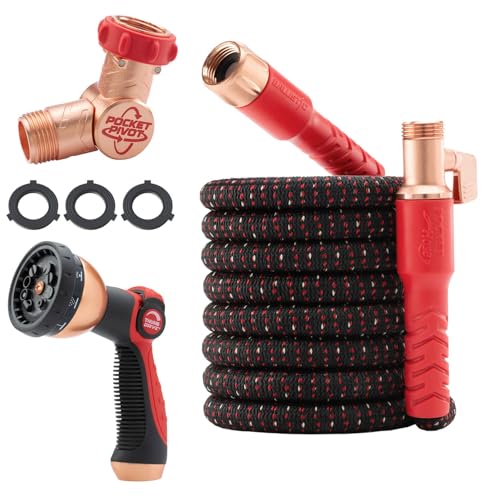
Pocket Hose Ballistic 50 FT
This 50-foot expandable garden hose features a lightweight design and a pocket pivot swivel connector for easy maneuverability. It is reinforced with a durable anti-burst sleeve and is UV-protected for outdoor use.
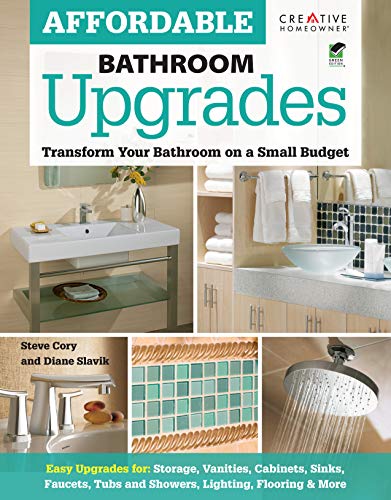
Creative Homeowner Bathroom Upgrade Ideas
This used book offers a variety of home improvement ideas for bathroom upgrades that cater to different budgets. It includes practical tips and creative solutions for enhancing your space.
Explore reliable tools to enhance your DIY projects and home renovations.
Choose Your Next Step
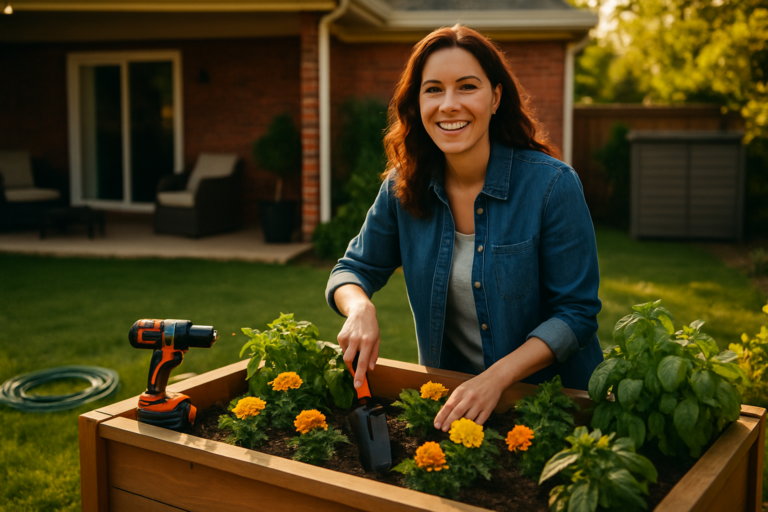
Seasonal Garden Projects
Explore ideas for seasonal gardening tasks.
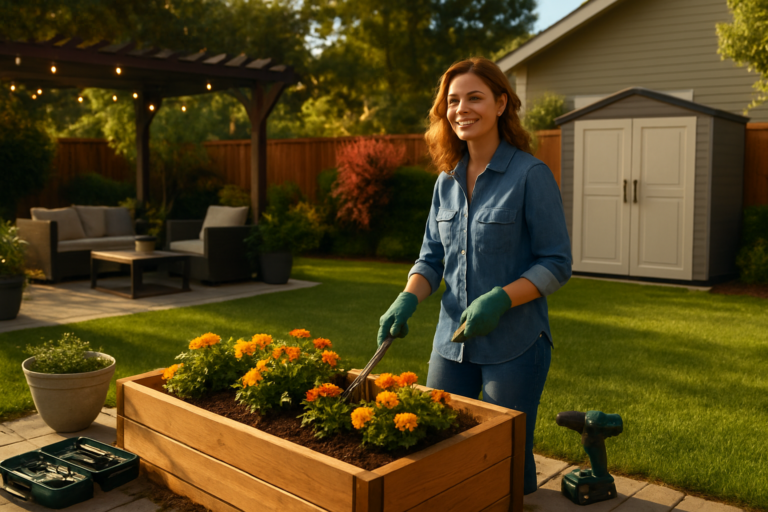
Backyard Design Ideas
Discover creative ways to design your backyard.
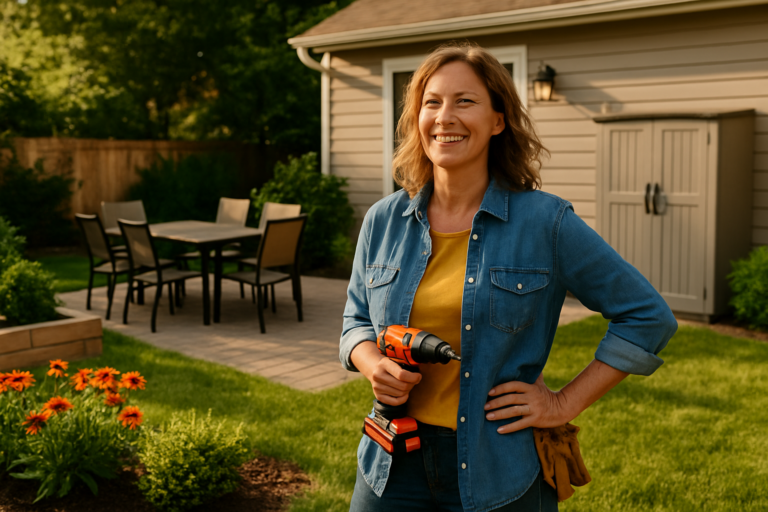
Outdoor Living Enhancements
Enhance your outdoor space with stylish upgrades.
Pick the Right Path Fast
- If you want: Explore ideas for seasonal gardening tasks. Start with: Seasonal Garden Projects →
- If you want: Discover creative ways to design your backyard. Start with: Backyard Design Ideas →
- If you want: Enhance your outdoor space with stylish upgrades. Start with: Outdoor Living Enhancements →
Latest Guides
New guides are on the way — check back soon.
Our honest take
What we like
- User-friendly guides for all skill levels.
- Wide range of topics covered.
- Real-world testing for reliable advice.
- Community feedback enhances decision-making.
Things to consider
- May require time to explore all resources.
- Not all projects may have specific guides.
How We Choose & Recommend
Short, practical guidance first—then product picks when you are ready.
- We compare features and real-world use cases for Garden Improvement Ideas.
- We scan user feedback for patterns (not one-off opinions).
- We call out trade-offs so you can pick confidently.
Safety Considerations
While Smart Fix Home provides valuable resources, it's important to approach DIY projects with care. Always follow safety guidelines and use appropriate tools for your tasks. Consult a relevant qualified professional if you're unsure about any aspect of your project.
Consult a qualified professional for complex issues.
FAQ
What are some easy plants for beginners?
Beginner gardeners should consider hardy plants like marigolds, sunflowers, and herbs such as basil and mint. These plants are forgiving and thrive in various conditions, making them ideal for new gardeners. Starting with these options can boost your confidence and enjoyment.
How can I make my garden more visually appealing?
To enhance your garden’s appearance, consider adding features like decorative stones, garden paths, or trellises. Incorporating colorful planters with seasonal flowers can also create vibrant focal points. These elements not only beautify the space but also encourage exploration. A good habit is to finish with a quick reset/cleanup so the next session starts smoothly. That prevents repeat issues and keeps performance consistent over time.
What is the best way to maintain healthy soil?
Maintaining healthy soil involves regularly adding organic matter like compost and testing for pH levels. Adjusting the soil with lime or sulfur based on test results can improve nutrient availability. Healthy soil is the foundation for thriving plants, so make this a priority.
How often should I prune my plants?
Pruning frequency varies by plant type, but generally, you should prune flowering shrubs after blooming. Regularly check for dead or damaged branches and remove them to encourage new growth. This practice keeps your garden looking tidy and promotes healthier plants.
What are some effective pest control methods?
For effective pest control, consider using natural remedies like neem oil or introducing beneficial insects like ladybugs. Regularly inspecting plants for signs of pests can help catch problems early. Keeping your garden healthy and diverse can also reduce pest issues.
🌿 Our Top 3 Home Improvement Tools
Triumpeek Garden Hose Connector Set
This set includes 9 pieces of 3/4" garden hose quick connect fittings, designed for easy connection and disconnection with standard garden hoses. The connectors feature both male and female fittings for versatile use.
Pocket Hose Ballistic 50 FT
This 50-foot expandable garden hose features a lightweight design and a pocket pivot swivel connector for easy maneuverability. It is reinforced with a durable anti-burst sleeve and is UV-protected for outdoor use.
Creative Homeowner Bathroom Upgrade Ideas
This used book offers a variety of home improvement ideas for bathroom upgrades that cater to different budgets. It includes practical tips and creative solutions for enhancing your space.
Explore reliable tools to enhance your DIY projects and home renovations.