
Optimize Your Home's Energy Use
Unlock savings with a thorough energy audit.
Last updated:
Quick answer
Home energy audits are essential for any homeowner looking to improve energy efficiency.
- Updated for 2026
- Independent, hands-on research
- Reader-first reviews
- Transparent affiliate disclosure
Home energy audits are essential for any homeowner looking to improve energy efficiency. By evaluating how energy is used in your home, these audits identify areas where you can save money and enhance comfort. Whether you choose a DIY approach or hire a professional, understanding your home's energy performance is the first step toward making smarter upgrades.
Key highlights
- Identify energy waste
- Lower utility bills
- Increase home comfort
- Enhance property value
- Easy DIY options
How to choose (and common mistakes)
When selecting an energy audit, consider your specific needs and budget. Look for auditors with good reviews and experience in residential properties. Common mistakes include not preparing your home for the audit, such as leaving areas cluttered or inaccessible. It's also vital to ask for a detailed report after the audit, so you can understand the recommended improvements. If you opt for a DIY audit, ensure you have the right tools and knowledge to assess insulation and air leaks accurately.
⚡ Quick Picks
Three strong options to start with. Pick one that matches your goal, then jump to the guides below.

Do-It-Yourself Home Energy Audits
This guide offers 140 straightforward solutions aimed at improving your home's energy efficiency and reducing costs. It provides practical advice for homeowners looking to enhance their environmental impact.

Poniie PN2500 Wi-Fi EV Charger
The Poniie PN2500 is a NEMA 5-15 Wi-Fi wireless Level 1 EV charger that features a built-in high precision current sensor for accurate power usage monitoring. It operates at 60-240V and 25Amps.

Energy Efficiency Guidebook
This comprehensive guide covers home energy audits, efficient lighting options, insulation techniques, and daily habits to help reduce utility bills. It provides practical tips and strategies for improving energy efficiency in your home.
Explore reliable tools to enhance your DIY projects and home renovations.
Related Topics
Latest Guides
New guides are on the way — check back soon.
How We Choose & Recommend
Short, practical guidance first—then product picks when you are ready.
- We compare features and real-world use cases for Home Energy Audits.
- We scan user feedback for patterns (not one-off opinions).
- We call out trade-offs so you can pick confidently.
FAQ
What tools do I need for a DIY energy audit?
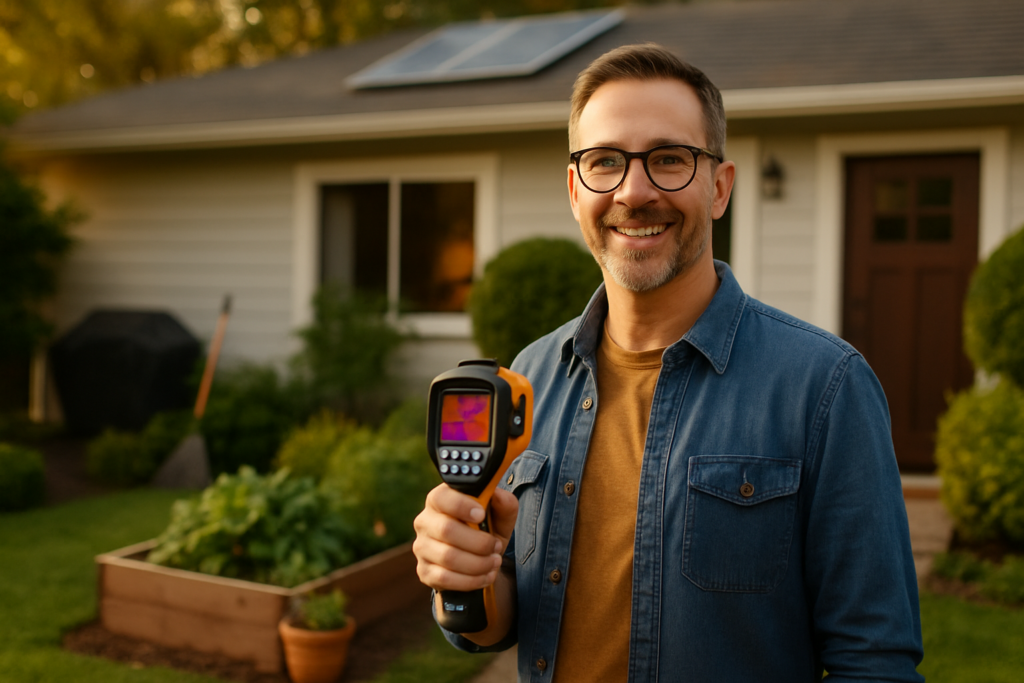
For a DIY energy audit, essential tools include a thermal leak detector, a flashlight, and a blower door kit. A thermal leak detector helps pinpoint drafts, while a flashlight is useful for inspecting hard-to-see areas. Don't forget to gather your utility bills for analysis. Start your audit by checking areas around windows and doors for leaks.
How can an energy audit save me money?
An energy audit can save you money by identifying inefficiencies that lead to high energy bills. By addressing issues such as poor insulation or outdated appliances, you can significantly reduce your monthly costs. Implementing the auditor's recommendations, such as sealing drafts or upgrading to energy-efficient models, will maximize your savings over time.
What should I do after an energy audit?
After completing an energy audit, review the report carefully and prioritize the recommended improvements. Start by addressing the most critical issues, such as sealing drafts or upgrading insulation. It's also helpful to create a timeline for implementing changes to stay organized. Consider setting a budget for each improvement to manage costs effectively.
How do I find a qualified energy auditor?
To find a qualified energy auditor, start by checking local directories or online reviews. Look for certifications from recognized organizations, such as RESNET or BPI. Ask for recommendations from friends or family who have had audits done. Once you have a few options, interview them to ensure they understand your specific needs.
Can I get rebates for energy-efficient upgrades?
Yes, many utility companies offer rebates for energy-efficient upgrades following an energy audit. Check with your local utility provider for available programs. Additionally, federal and state incentives may apply to certain upgrades, such as installing Energy Star appliances or improving insulation. Always keep receipts of your improvements to claim these benefits.
🌿 Our Top 3 Home Improvement Tools
Do-It-Yourself Home Energy Audits
This guide offers 140 straightforward solutions aimed at improving your home's energy efficiency and reducing costs. It provides practical advice for homeowners looking to enhance their environmental impact.
Poniie PN2500 Wi-Fi EV Charger
The Poniie PN2500 is a NEMA 5-15 Wi-Fi wireless Level 1 EV charger that features a built-in high precision current sensor for accurate power usage monitoring. It operates at 60-240V and 25Amps.
Energy Efficiency Guidebook
This comprehensive guide covers home energy audits, efficient lighting options, insulation techniques, and daily habits to help reduce utility bills. It provides practical tips and strategies for improving energy efficiency in your home.
Explore reliable tools to enhance your DIY projects and home renovations.